
Keeping up with your health can feel like a full-time job. It’s incredibly easy to feel unheard when trying to decode your own symptoms and feeling rushed through a 15-minute doctor’s visit. Most of us only book an appointment when we are already exhausted, in pain, or worried that something is wrong.
“But what if we flipped the script?”
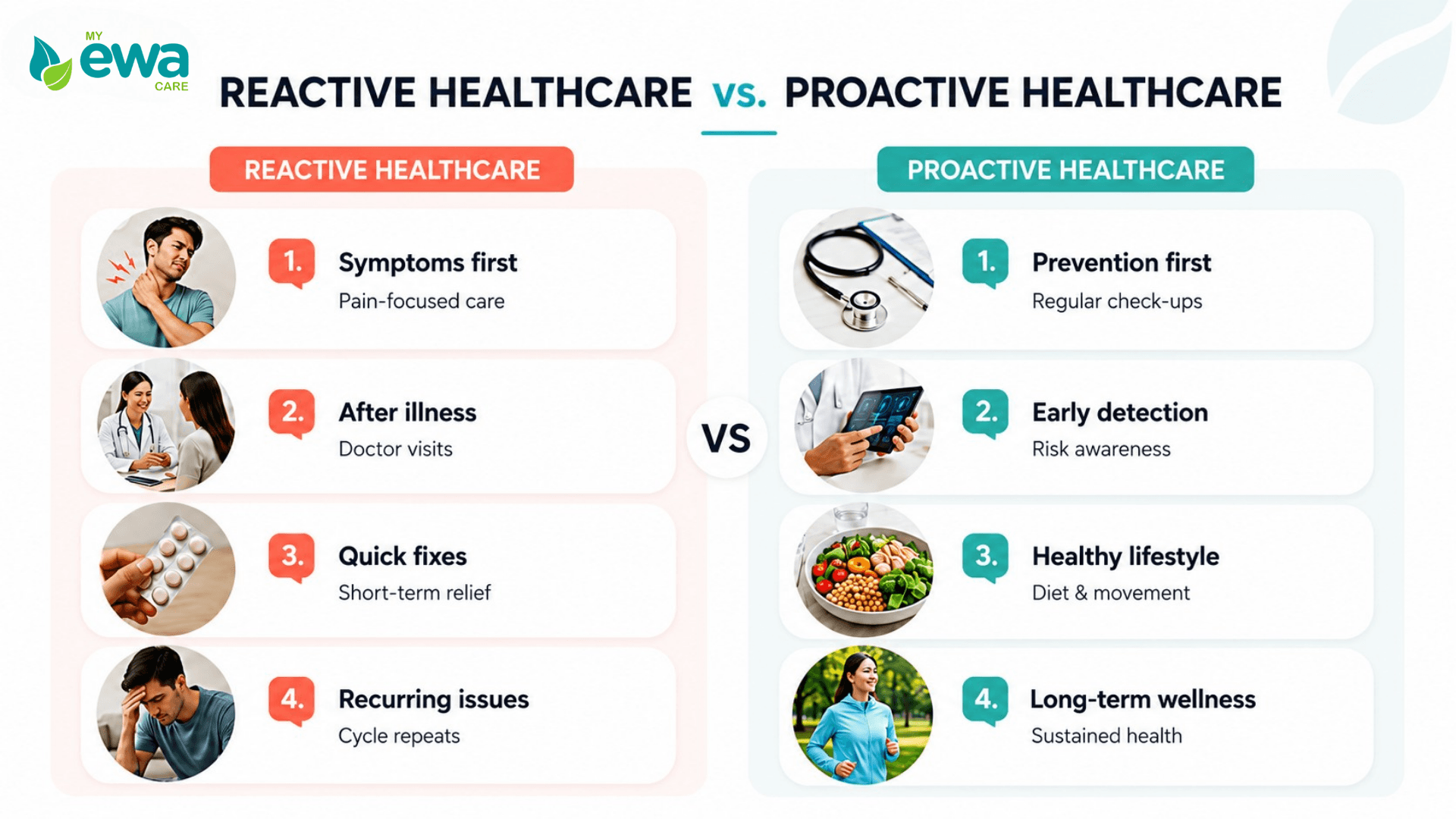
Reactive vs proactive healthcare approach explained
According to the World Health Organization (WHO), true vitality from your twenties through menopause requires highly tailored, gender-specific care. This means recognizing that conditions like heart disease, diabetes, and metabolic shifts often show up completely differently in our bodies than they do in men's.
Transforming a stressful, rushed doctor's visit into a proactive women's health approach means looking past isolated symptoms to understand your whole body. By demystifying women's health research, you can take back control. You can use your appointments to gather real information, hit the pause button, and even secure a gynecologist's second opinion before agreeing to major procedures. The goal is simple: making sure your care plan actually solves the problem and protects your long-term well-being.
Navigating the Common Wellness Uncertainties in a Women’s Health
The modern medical system is complex, and it leaves so many of us with a massive "knowledge gap" about how our own bodies function. Establishing a solid routine for life stage wellness management starts with directly addressing the questions that keep you up at night.
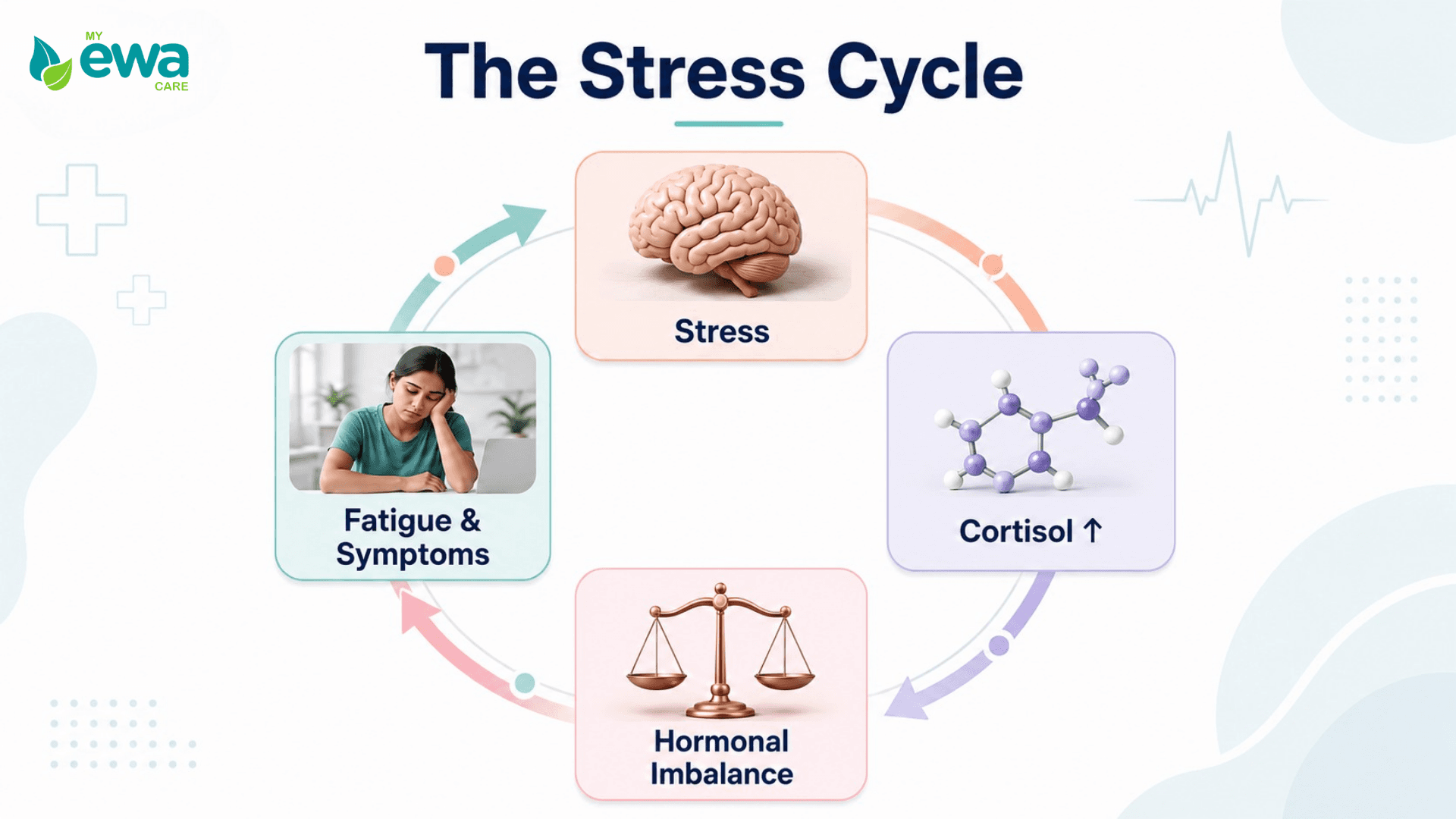
Understanding how stress impacts hormonal balance in women
When you walk into a clinic, you deserve absolute clarity. Many women find themselves struggling to get clear answers on things like:
Systemic Connections:
True healing means understanding the irregular periods reason and its actual effects on your long-term bone density and heart health, rather than just taking a pill to force a cycle.
The Physical-Mental Link:
We must stop treating stress and burnout like they are "all in our heads." They are very real, physical components that directly alter your hormonal balance, spike your cortisol, and drain your daily energy.
Pelvic Health:
Did you know that roughly 1 in 4 women will deal with a pelvic floor disorder? Yet so many women suffer in silence. They aren't sure if their discomfort is just "normal aging" or if they need targeted pelvic floor health guidance to finally find relief.
Exploring Non-Surgical Gynecological Care Options
Preventative health check-ups like blood pressure monitoring and standard cancer screenings are the foundation of a great check-up. But reacting to sudden symptoms with immediate, high-intensity procedures is often a mistake. Jumping straight into surgery or heavy, long-term medications can take a massive physical and emotional toll. To protect your body, you have to carefully weigh your options.
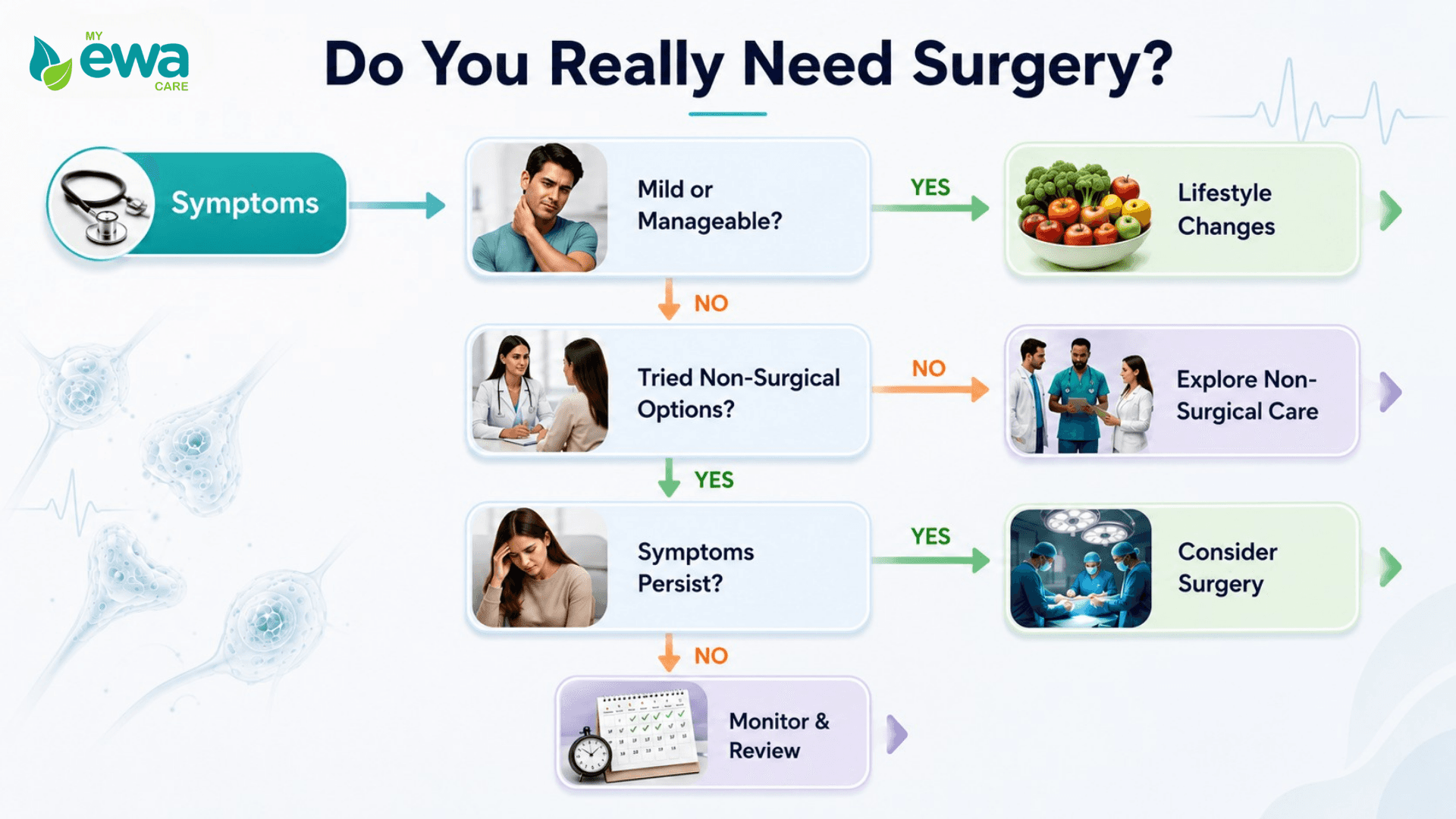
When to consider non-surgical treatment options
Look at the Lifestyle Evidence:
Before committing to a daily prescription, ask your doctor how tailored nutrition, stress reduction, and lifestyle shifts can offer natural PCOS symptom relief. Sometimes, changing how you eat and move yields more sustainable results than a prescription pad.
Investigate Non-Surgical Paths:
Always ask about the feasibility of managing uterine fibroids without surgery. Knowing all your non-invasive options ensures that if you do eventually choose surgery, it is a confident, deliberate choice, not a reaction based on fear.
Avoid the Testing Loop:
Be extremely cautious of getting stuck in a loop of repetitive imaging or invasive scans if your physical symptoms haven't changed, especially if your doctor hasn't even created a clear care plan yet.
Embracing Natural Shifts in Your Holistic Women's Wellness Journey
One of the biggest frustrations in women's healthcare is the tendency to treat natural life transitions like medical emergencies. Learning to tell the difference between a normal biological shift and an actual chronic issue is the key to medical peace of mind.
Honoring Biological Milestones:
Symptoms linked to pregnancy, the postpartum phase, and perimenopause are completely natural life stages. Yes, they absolutely require supportive care to help you feel comfortable, but they are not "illnesses" that need to be cured.
Accurate Interpretation:
It is vital that gender-specific health screenings (like cholesterol and metabolic health) are read by a doctor who understands female biology and female-specific risk factors.
Minor Anatomical Findings:
Try not to panic over small structural variations on an ultrasound, like a tiny asymptomatic cyst. In many cases, these do not require immediate intervention; they are just part of your body's natural, everyday changes.
Gaining Full Transparency Over Women's Healthcare Costs
You have a right to understand the financial side of your healthcare. Navigating medical decisions is stressful enough without the shock of unexpected bills arriving in the mail. To protect your wallet and ensure your money is used effectively:
Audit Your Lab Work:
When navigating the women's health check-up list, politely but firmly ask your doctor which blood panels are actually essential for your current age. This simple question can save you from paying for duplicate or unnecessary testing.
Uncover Indirect Expenses:
If your check-up points you toward a specialized maternity path or fertility journey, be proactive in finding any hidden fertility care costs. Compare different clinic models early on to avoid long-term financial strain.
Assess the Value of the Test:
Always ask: "How will this test change my treatment plan?" If the doctor can't give you a clear answer, it might be a test you can safely delay.
Essential Questions to Ask Your Gynecologist Before Treatment
Don't go into your next appointment unprepared. Bring this list of questions with you to ensure your care is truly centered around your needs:
Is a pelvic ultrasound necessary right now, or is it safe to monitor my symptoms for one full cycle first?
How does this treatment plan protect my long-term heart and bone health?
Are there alternative options that prioritize my metabolic health and mental wellness?
What is the specific goal of this procedure, and what happens if I choose to wait and observe?
Speak to a Care Manager for guidance before taking your next steps.
Frequently Asked Questions (FAQs) about Women’s Health
Can a routine blood test detect a hormonal imbalance?
A standard blood test checks your general health but usually misses reproductive hormones. To spot an imbalance, specifically ask your doctor for an endocrine panel (checking cortisol, thyroid, estrogen, etc.) timed precisely with your cycle.
Do I need to schedule my check-up around my period?
For a basic physical check-up, timing doesn't matter. But if you are getting a Pap smear, pelvic exam, or hormone tests, book your visit for the week right after your period ends for the best accuracy and physical comfort.
When should I switch to specialized menopause care?
There is no magic age. If you are in your late 30s or 40s and notice shifts in your sleep, mood, or cycle length, even if you haven't missed a period yet; it is a great time to seek perimenopause-focused guidance.
Can chronic stress cause physical pelvic pain?
Absolutely. Just like you hold tension in your neck or jaw, extreme stress causes your pelvic floor muscles to tightly clench. Over time, this chronic tightening leads to very real, physical pelvic pain.


Menstrual Disorders: What Every Woman Should Know| MyEwaCare
Female infertility symptoms & its guidance with MyEwaCare

PCOS New Name 2026: What Is PMOS & What Does It Mean for You

What Causes Fibroids Natural Remedies for Uterus Fibroids, Fibroid Diet
Signs of Polycystic Ovaries & Irregular Periods Causes