Waking up with a buzzing sensation or realizing you can’t quite feel your toes as you walk can be a frightening experience. When you deal with numbness in hands and feet, your mind often jumps to the worst-case scenario. You aren’t just looking for medical facts; you are looking for a way to feel like yourself again.
Finding relief isn't about rushing into the most expensive procedure; it’s about having a clear roadmap. This guide is here to provide that clarity, helping you move from a state of worry to a state of being relieved through informed decision-making.
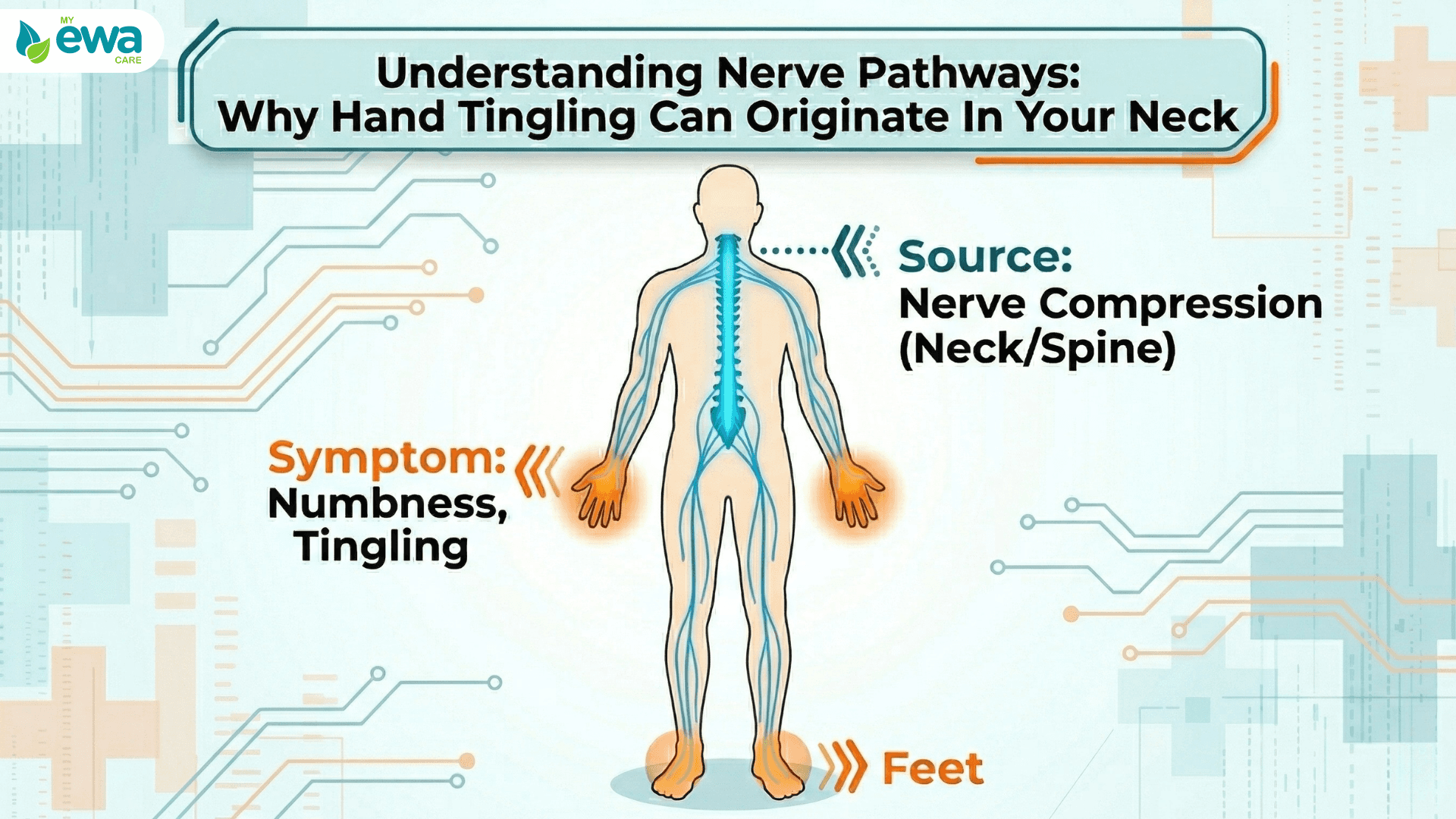
Can Nerve Damage Be Reversed? Common Nerve Damage Symptoms Explained
When nerve damage symptoms first appear, the most common question is:
"Can nerve damage be reversed?"
It is important to understand that the nervous system doesn't heal like a scraped knee. While skin repairs itself in days, nerves move at a much slower pace.
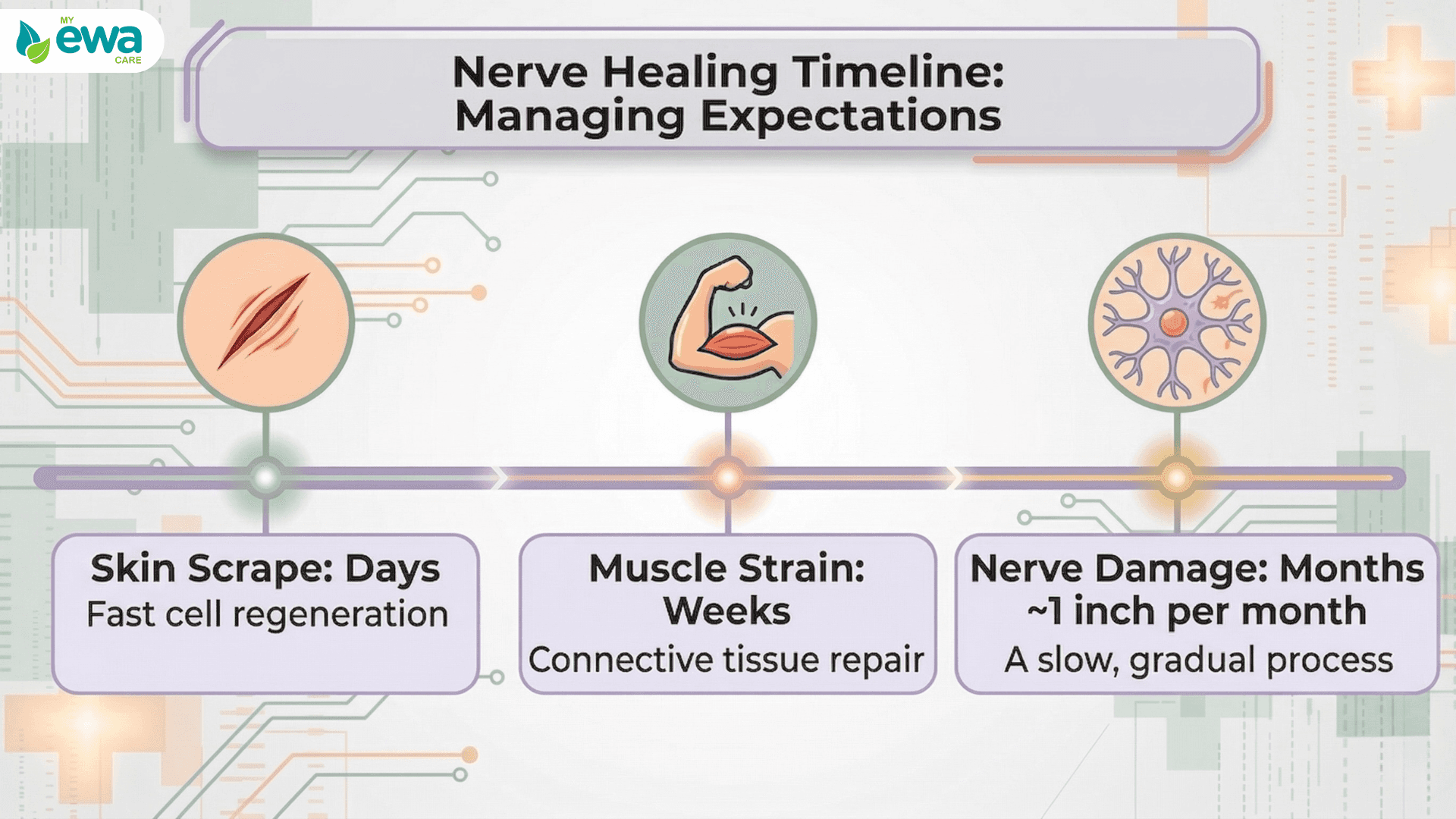
Many patients are often confused because they expect immediate results. In reality, healing is a gradual journey. Often, what feels like "permanent damage" is actually a nerve that is simply compressed or irritated. Once that pressure is relieved, the nerve can begin its natural healing process. Identifying these signs early is the first step in your roadmap.
Pinched Nerve vs Nerve Damage: Why Peripheral Neuropathy Symptoms are Often Overstated
In the search for answers, it is easy to get overwhelmed by complex labels. This is where things usually get over diagnosed.
Many people are told they have peripheral neuropathy symptoms based on a single scan. However, when comparing a pinched nerve vs nerve damage, the difference is often a matter of temporary pressure versus long-term issues.
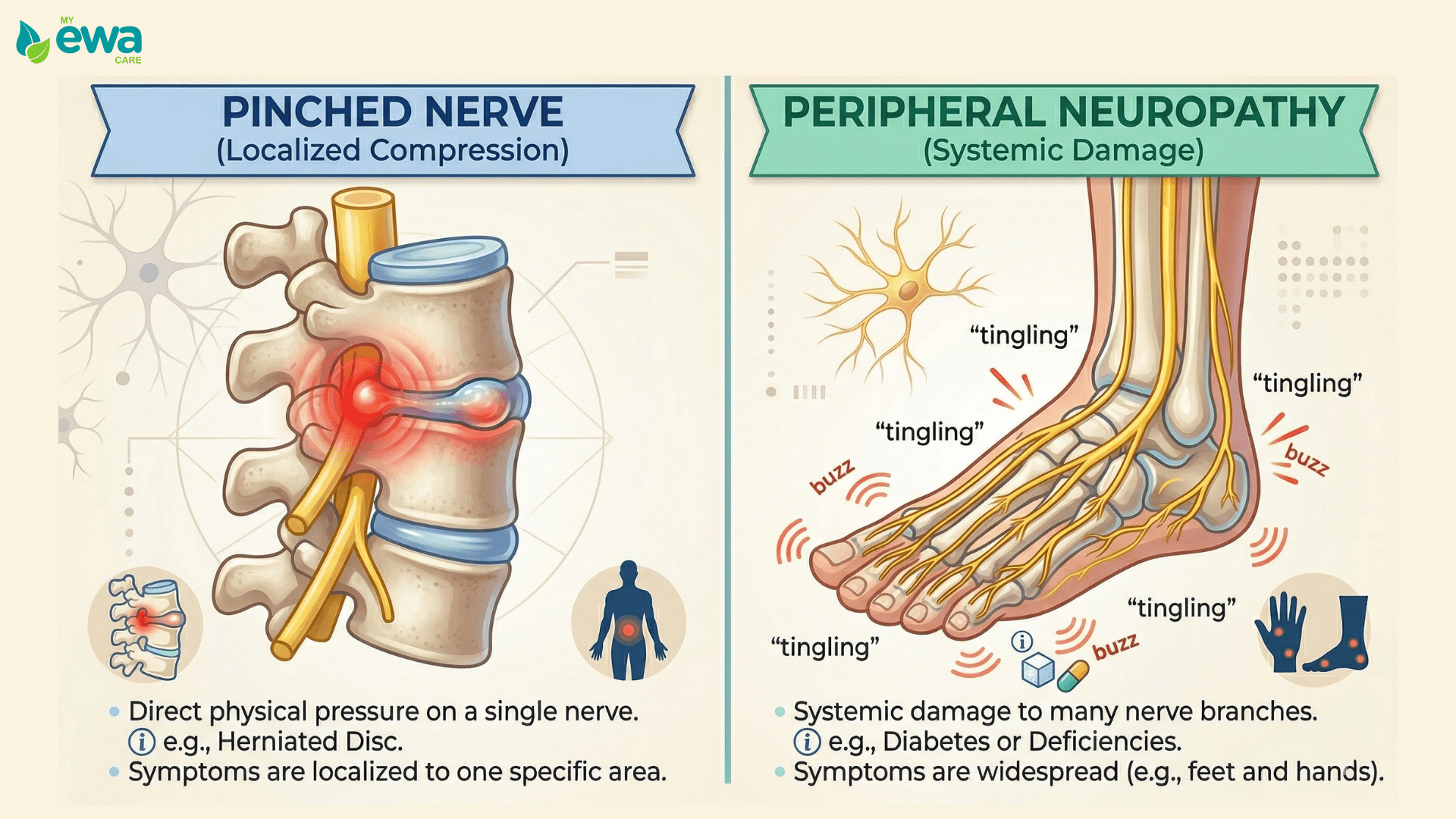
For example, an MRI might show a "bulge" in your spine, but that doesn't always mean it's the cause of your pain. Many people live with these structural findings without any symptoms at all. Before accepting a heavy diagnosis, it is vital to seek clarity on whether your discomfort is a structural "wear and tear" issue that can be relieved through conservative care.
Tingling Sensation in Hands: Vitamin B12 for Nerve Health and Mistakes to Avoid
If you are experiencing a persistent tingling sensation in hands, your first instinct might be to book an expensive specialist or try an unverified "miracle" supplement. These are common unnecessary steps to avoid.
In the Indian context, a very frequent and easily overlooked factor is nutrition. Vitamin B12 for nerve health is essential, yet many of us are deficient without realizing it.
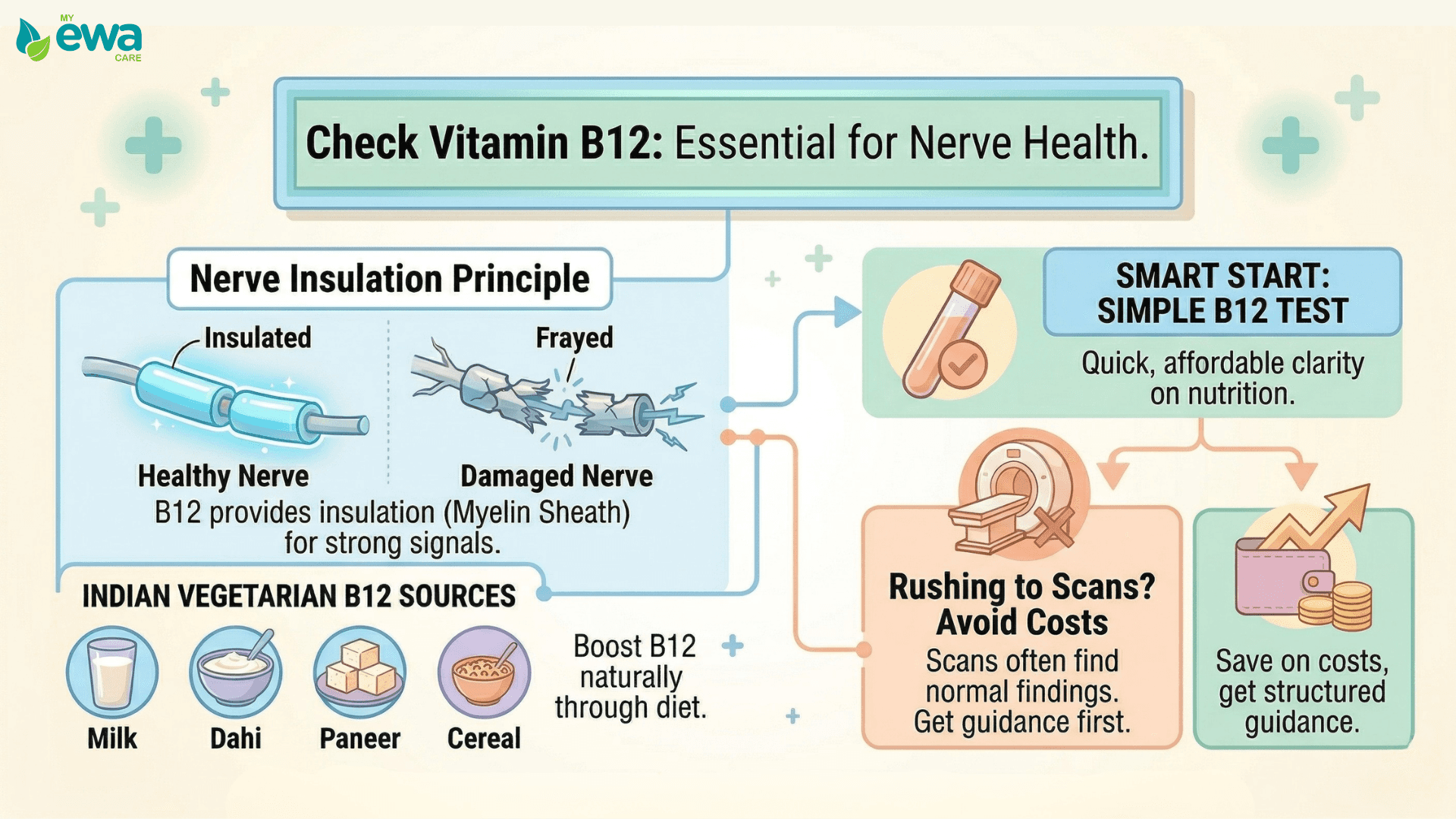
Instead of jumping to invasive procedures, a simple blood test can often provide the clarity you need. Avoid the trap of "panic-buying" supplements or rushing into surgery before checking if your nerves simply need the right nutritional support to begin healing.
Saving on Testing: Understanding the Nerve Conduction Study Cost
We believe in cost clarity. Diagnostic tests are tools, not solutions. Before you worry about the nerve conduction study cost, ask yourself:
“Will this test change my path to being relieved?”
Many patients pay for advanced imaging or electrical tests only to be told to "wait and watch." To avoid unnecessary costs, discuss a "stepped care" approach with your provider. If a test won't change your immediate healing plan, it may be a step you can pause. Your roadmap should prioritize the most effective, least invasive path first to protect both your health and your wallet.
When Guidance Helps: Recognizing Signs of Nerve Damage Healing
How do you know if you are actually getting better? Knowing how to decide when to stick with a plan or when to change course is where guidance becomes invaluable.
You might notice signs of nerve damage healing that feel strange, like an increase in "buzzing" or a sudden cold sensation. This is often the nerve "waking up" as it is being relieved. Having guidance before proceeding with major medical decisions helps you interpret these signs correctly. It allows you to stay calm and patient, ensuring you don't abandon a healing path that is actually working.
Which Doctor to See for Nerve Damage: Questions to Ask for Clarity
Knowing which doctor to see for nerve damage is often the most confusing part of the journey. Do you need a Neurologist, an Orthopedist, or a Physical Therapist?
To avoid the "referral loop," come prepared with specific questions to help your decision-making:
"What is the most conservative way we can help my nerves be relieved?"
"How will this specific test result help us decide on my next healing step?"
"Is this procedure necessary right now, or can we observe my progress for a few weeks?"
Finding relief is possible when you have the right information and a supportive team. You don't have to navigate the confusion alone.
Speak to a Care Manager for guidance before the next steps.
Nerve Damage: Frequently Asked Questions
Can nerve damage be reversed?
While everyone looks for a "cure," nerves heal on their own schedule. Whether symptoms are fully relieved depends on the cause. Addressing things like posture or Vitamin B12 early gives your nerves the best environment to heal.
How long does it take for nerves to heal?
Nerves are slow to heal, often moving at about an inch per month. This is why clarity on your timeline is so important as it helps you stay in the course with conservative relief methods.
What is the best way to avoid unnecessary medical costs for nerve pain?
Always ask your doctor if a suggested test will change your care plan. Starting with guidance and conservative healing steps (like lifestyle changes) is often the most cost-effective way to get relieved.
When should I see a specialist for my numbness?
If your numbness in hands and feet is spreading, causing weakness, or stopping you from sleeping, it is time for professional guidance. A Care Manager can help you decide what doctor to see for nerve damage to avoid wasting time and money on the wrong appointments.