Missing a period can be scary. Seeing extra hair on your pillow or feeling completely drained by noon is overwhelming. When your body feels out of sync, it is completely normal to search for answers. But too often, that search leads to confusion of medical jargon and a list of expensive tests.
At MyEwaCare, we want to change that. We believe your journey to feeling better should start with clear, simple guidance. Finding the root irregular menstrual cycle causes is your very first step toward true relief. This guide is built to help you cut through the noise and find a path to healing that respects both your body and your peace of mind.
Navigating the Cultural Context: PCOS Symptoms in Indian Women
In India today, our bodies are under a lot of pressure. We are juggling fast-paced city jobs while eating diets heavy in refined carbs. This clash often throws our internal balance off track.
You might notice pcos weight gain that just won't budge, no matter what you do. Or maybe you are dealing with sudden pcos and mood swings that leave you feeling exhausted and unlike yourself.
Try to remember: these are just signals. Your body is asking for support. Seeing thinning hair and pcos related changes can be deeply upsetting, but please don't panic. These signs don't always mean you have a lifelong condition. Sometimes, they are simply a temporary reaction to stress and diet.
Debunking the Scan Myth: Is Ultrasound Necessary for PCOS?
Getting a scan is often the very first thing women are told to do. But wait—is it really needed right away?
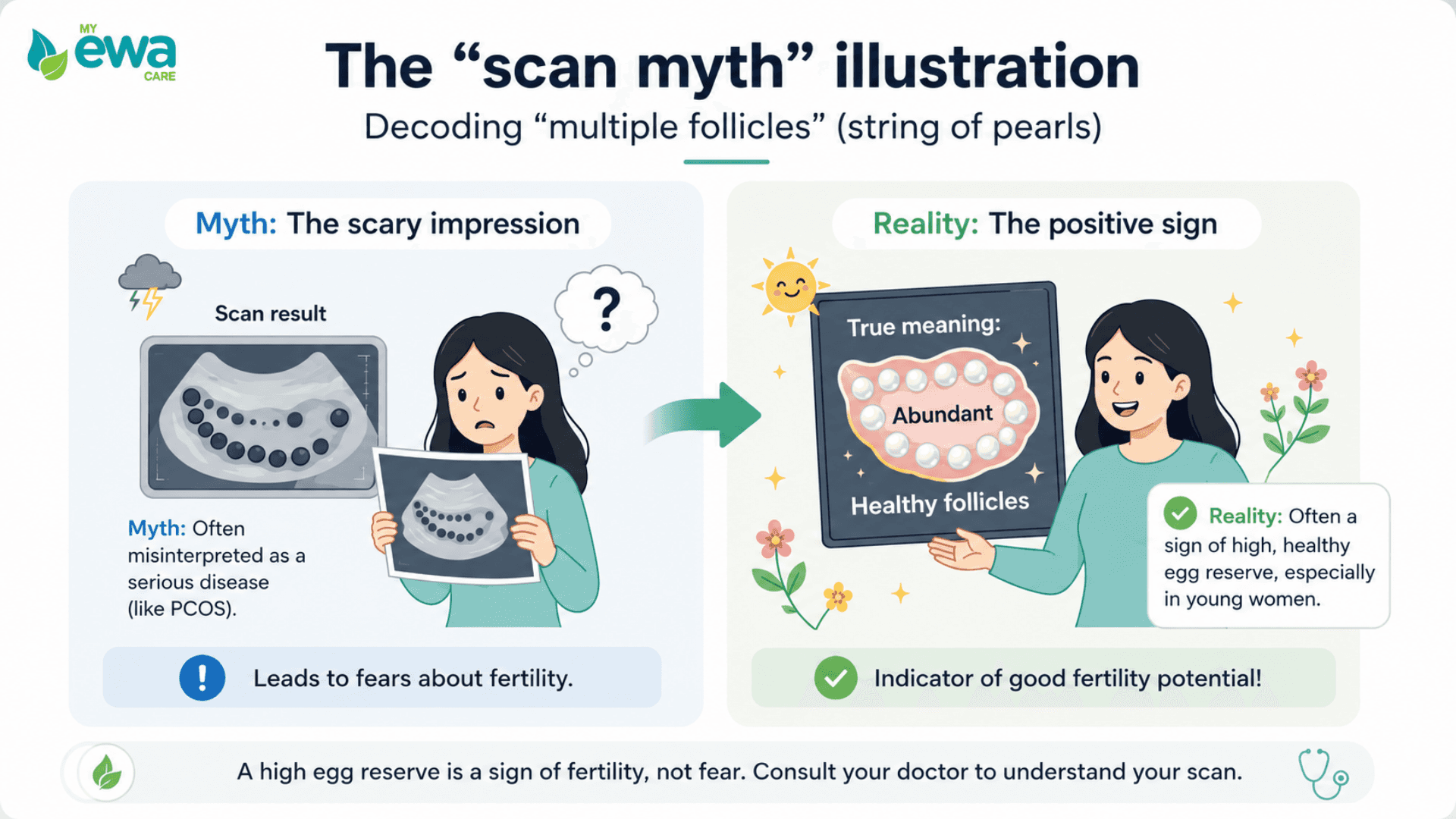
A pelvic ultrasound for PCOS can actually be quite misleading. Nearly 25% of perfectly healthy young women have multiple follicles on their ovaries. It is often just a sign that you have a high egg reserve, not a disease!
Rushing to get an ultrasound can cause unnecessary panic. If your cycles are mostly normal, that grainy picture might not help you heal. Focus on how you actually feel first before spending money on a scan.
Your Roadmap to Clarity: PCOS How to Check the Right Way
A good evaluation starts with you, not a lab test. Before rushing into a clinic, try this simple, grounded approach:
Track Your Cycle: Keep a log for three months. Don't rely on memory.
Check Your Stress: Did you recently change jobs? Are you sleeping well?
Watch Your Energy: Do you crash after eating? Sugar cravings are huge clues.
Find an Independent Guide: Talk to someone who isn't trying to sell you an expensive clinical package.
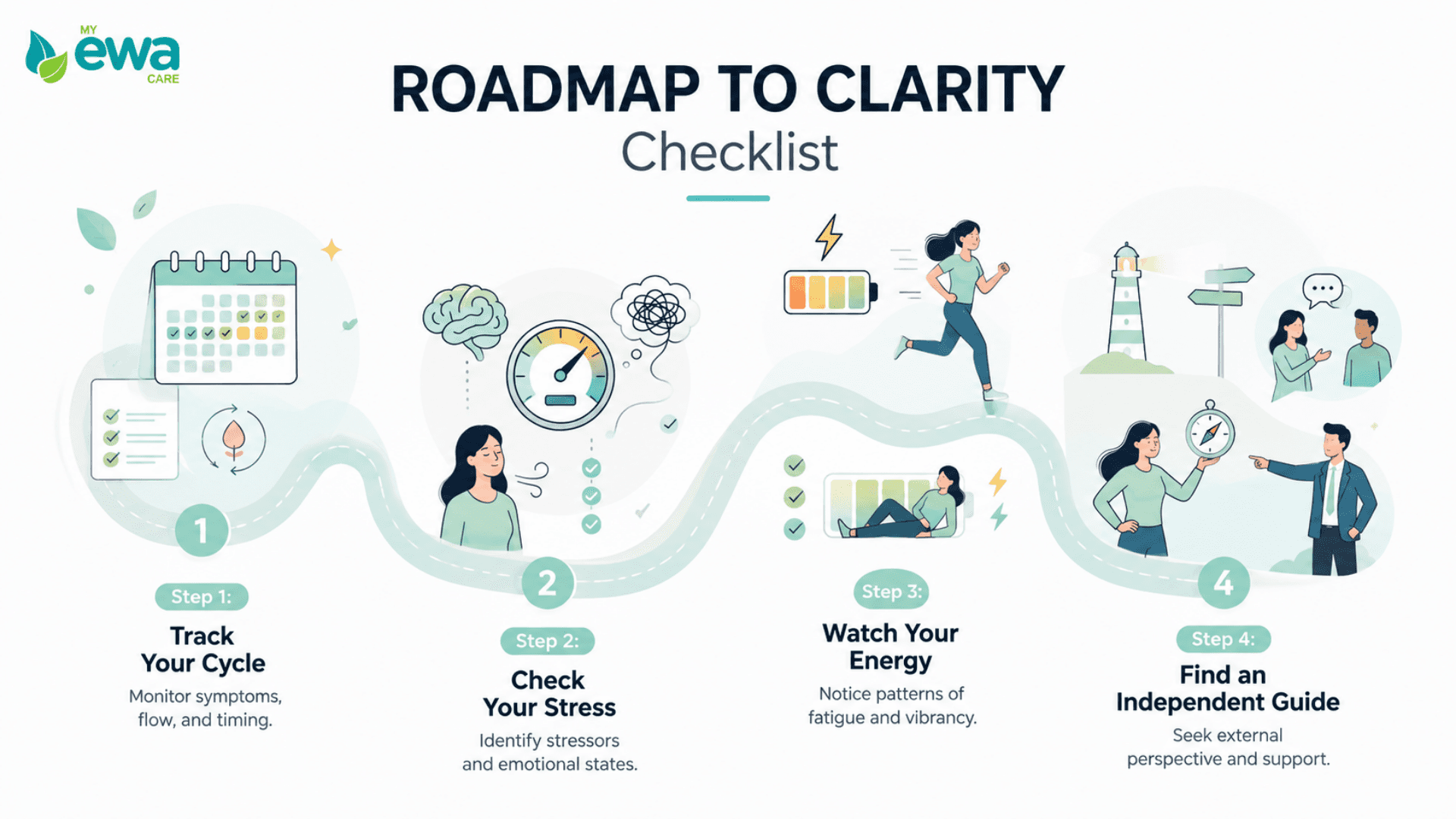
This puts you in the driver's seat of your own health.
Saving Your Peace and Wallet: Ovarian Cysts vs PCOS Diagnosis
Let's clear up a massive area of confusion. A single cyst is usually a one-time thing that goes away on its own. A syndrome, however, affects your whole body long-term.
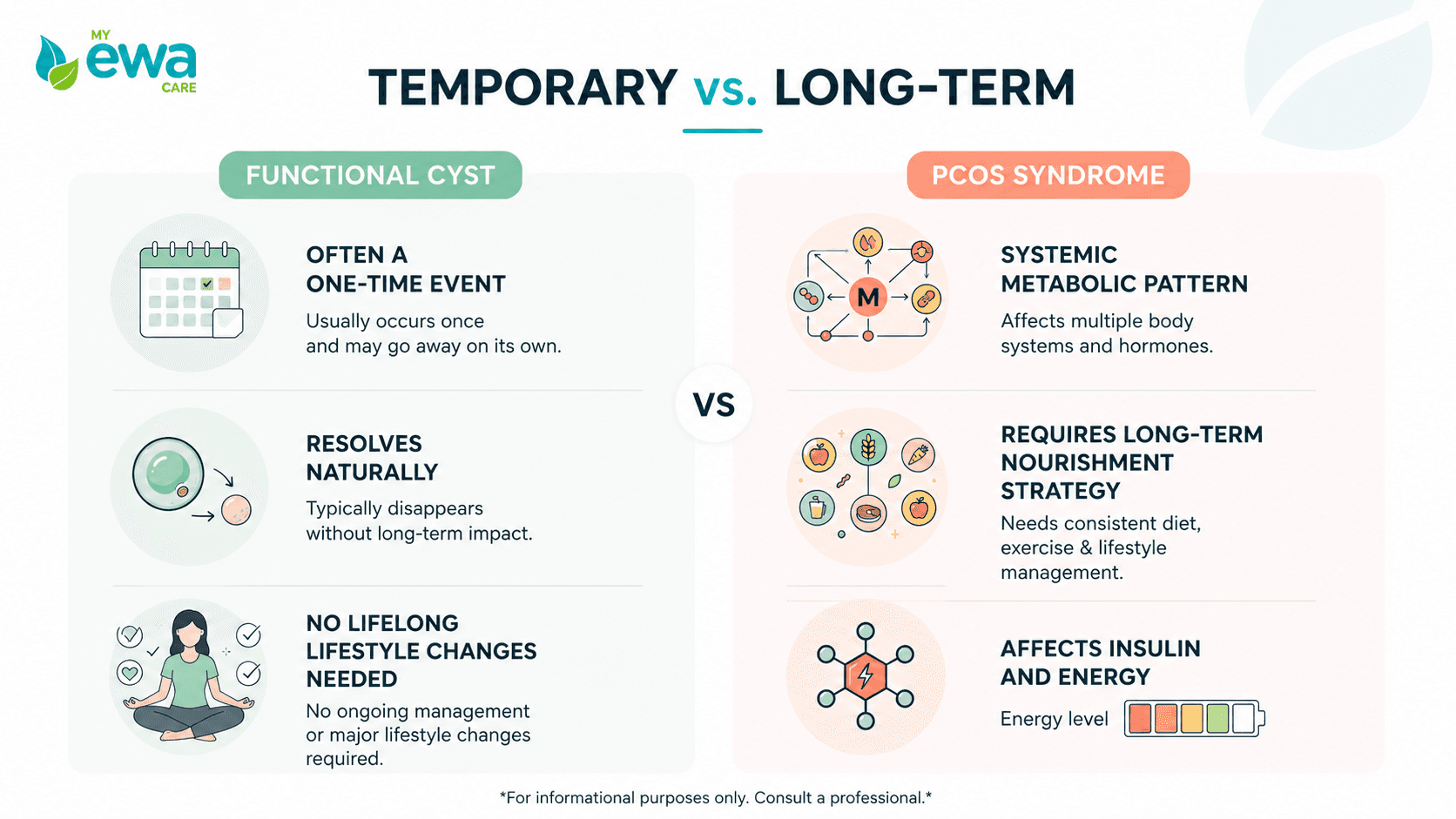
Mixing these two up is expensive. If you are told you have a temporary cyst, you don't necessarily need to start intense pcos lifestyle changes. You might just need a little patience. Knowing the difference saves you from paying for endless, unnecessary follow-up visits.
The Reality of Symptoms of a Hormonal Imbalance in a Woman
Today, almost every health issue gets thrown under one big umbrella label. Have adult acne? Feeling tired? You might be quickly told it's a permanent syndrome.
But here is the truth: you might actually be dealing with hormone related hair loss just because you lack certain vitamins. Or maybe your thyroid needs a little support.
Don't accept a broad label too quickly. Keep asking questions until you find the exact reason your body feels off. Healing is about restoring your unique balance, not fitting into a generic category.
Metabolic Keys to Insulin Resistance and Weight Loss
Here is the secret many miss: your ovaries and your energy levels are deeply connected. When your body struggles to process sugar, it throws everything else off. Shifting your focus to how your body uses energy changes everything.
Eat for Energy: A low-glycaemic diet for PCOS isn't about starving yourself. It is about eating foods that keep your blood sugar steady—like millets, lean proteins, and healthy fats.
Move Smartly: Finding the right pcos fitness routine means choosing workouts that build strength, rather than workouts that leave you drained and exhausted.
The Holistic Path: Managing PCOS Naturally
Real hormonal balance does not come from a quick fix. It comes from daily, gentle choices. Prioritize your sleep. Lower your stress. Nourish your body. You are not just a diagnosis; you are a person capable of finding true harmony and feeling relieved.
Speak to a Care Manager for guidance before the next steps.
Frequently Asked Questions about PCOS
Can you get pregnant with polycystic ovaries?
Yes. It is a common myth that multiple follicles prevent pregnancy. While unpredictable cycles can make tracking ovulation trickier, many women conceive naturally by focusing on metabolic healing and understanding their body's signals instead of rushing into clinical steps.
At what age does hormonal imbalance start in females?
Shifts can begin as early as puberty. However, most women first notice disruptive changes in their early to mid-20s. This is often triggered by modern stressors, like starting a high-pressure job or changing dietary habits.
Does walking reduce insulin resistance?
Yes, significantly. Gentle, consistent movement like brisk walking helps your muscles use blood sugar for energy without spiking stress. This sustainable approach is often much safer for your body than exhausting, high-intensity workouts.
How does stress affect irregular periods?
Constant pressure spikes your cortisol levels, putting your brain in "survival mode." This can cause your body to temporarily pause ovulation. Calming your nervous system is crucial yet often overlooked step in restoring a predictable cycle.

Menstrual Disorders: What Every Woman Should Know| MyEwaCare
Female infertility symptoms & its guidance with MyEwaCare

PCOS New Name 2026: What Is PMOS & What Does It Mean for You
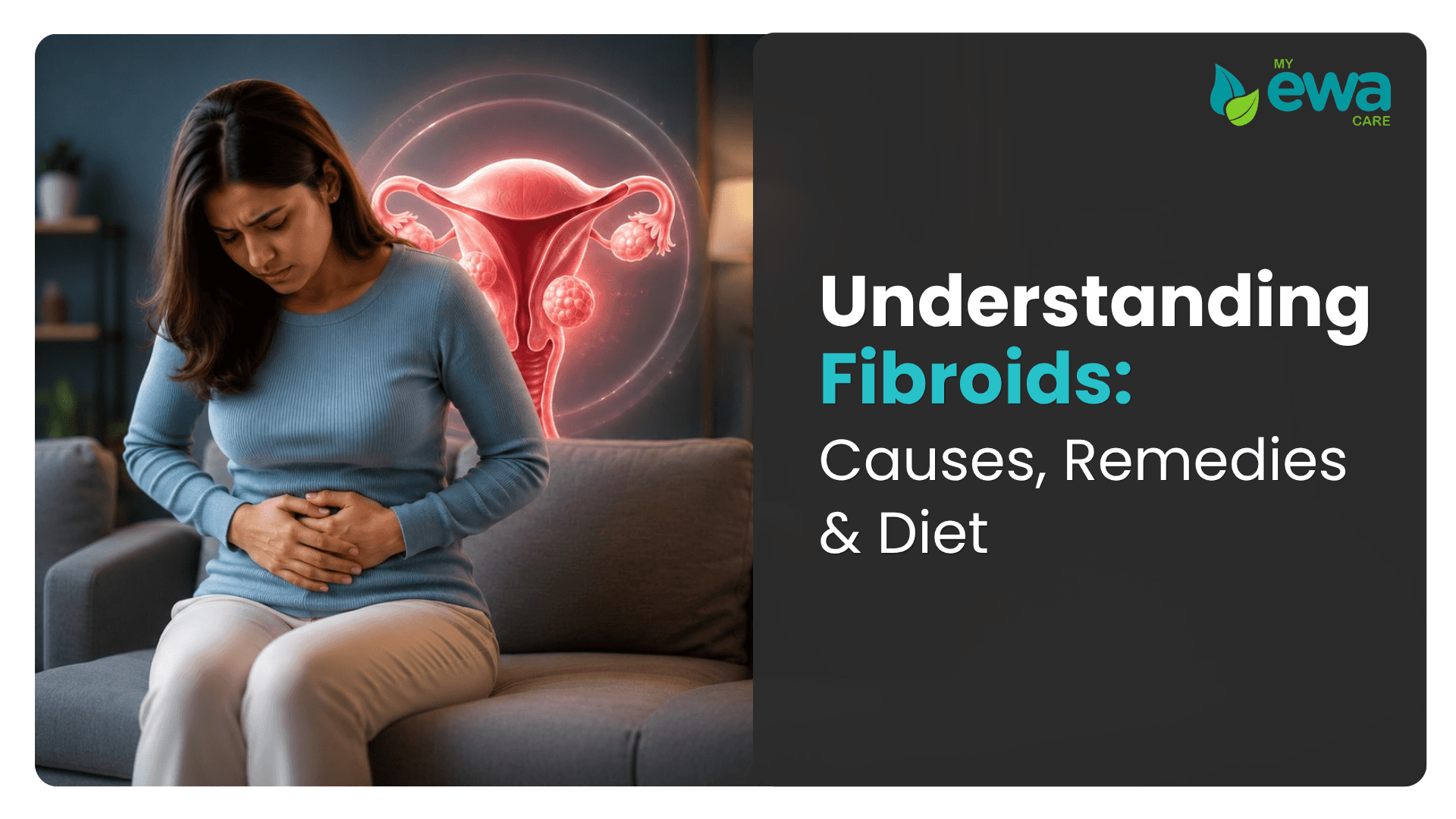
What Causes Fibroids Natural Remedies for Uterus Fibroids, Fibroid Diet
Proactive Women's Health Check Up & female wellness tips