Recognizing Infertility Warning Signs Without Premature Panic
If getting pregnant is taking longer than you hoped, it is completely normal to start analyzing every little change in your body. You might find yourself scrolling late at night, searching for the signs of infertility in women just to find a simple checklist that explains what you are feeling.
But here is the catch: everyday cycle changes are easily mistaken for something worse. This often triggers premature panic and rushed trips to the clinic. Before jumping to worst-case scenarios, take a breath. Getting familiar with the different types of infertility and how doctors actually look at them is your best first step. It gives you the power to find objective guidance instead of letting fear drive your decisions.
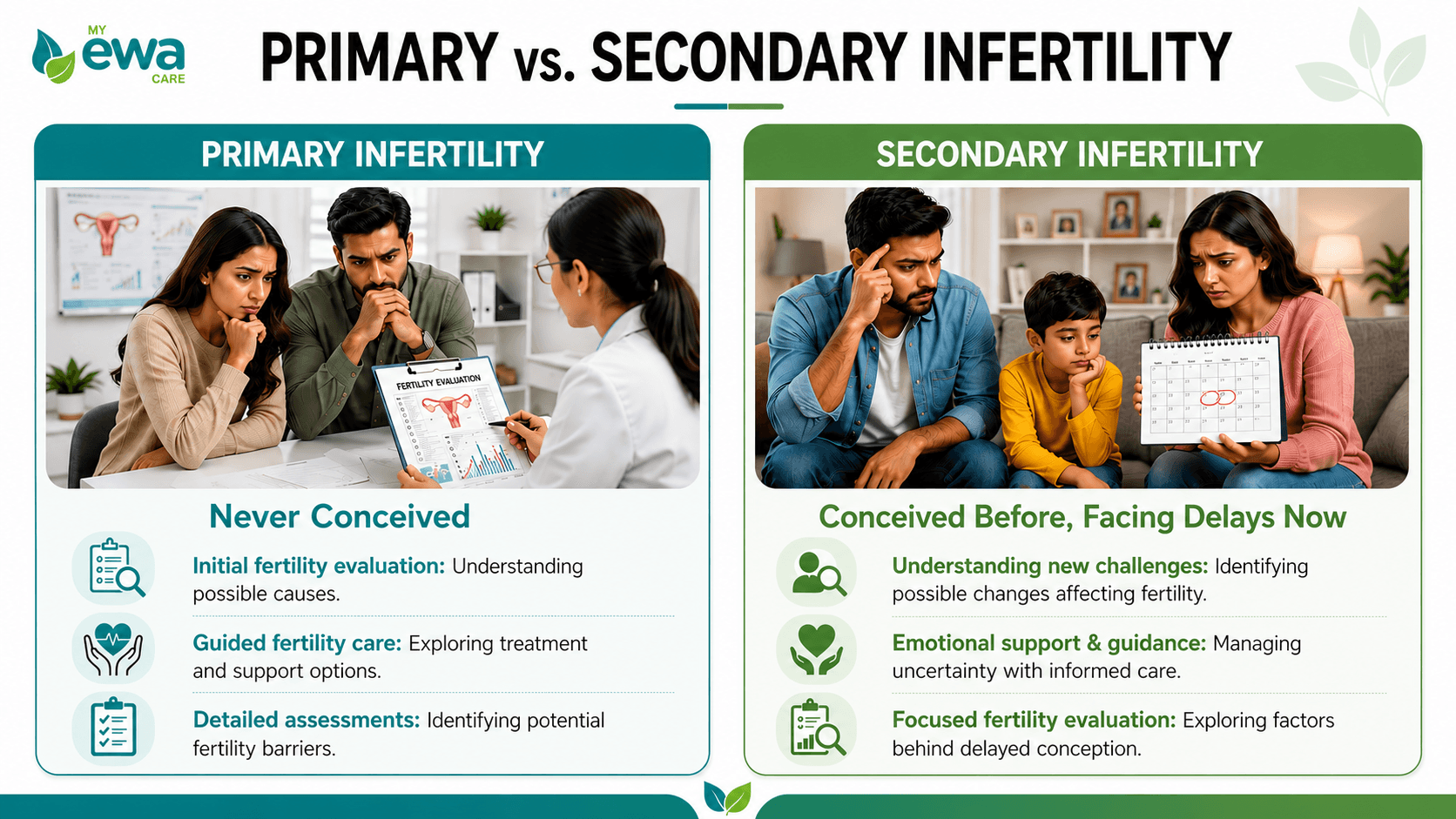
Understanding the Primary Infertility Meaning and Common Secondary Infertility Causes
Medical jargon makes an already heavy situation feel even heavier. It is incredibly common to feel lost when navigating these terms. People often struggle with:
Figuring out where they actually stand. For example, primary infertility is the clinical label used if you have never conceived before.
Coping with the shock of secondary infertility. When you have already had a successful pregnancy, facing delays the next time around can feel isolating and confusing as you wonder why your body is acting differently now.
Processing an "unexplained" label. Hearing this can make you feel completely stuck. Try to remember that this label just means the standard scans haven't pinpointed a specific physical hurdle yet. It absolutely does not mean you cannot find relief or move forward with the right guided care.
Why Repeating a Blood Test for Infertility in Female is Often Unnecessary
The early stages of figuring things out can drain both your energy and your wallet surprisingly fast. To protect your peace of mind, here are a few common mis-steps to watch out for:
Doing the exact same diagnostic panels over again just because you switched clinics or wanted a second opinion.
Panicking over a single prolactin test infertility result. These levels naturally bounce around and can spike just because you slept poorly, felt stressed, or worked out hard that week.
Jumping into long-term medications based on one isolated lab result. Always keep your own folder of health records so you and your care team can look at the big picture together, rather than reacting to a single data point.
Addressing Overdiagnosis: Can Ovarian Cyst Cause Infertility or Do Fibroids Cause Infertility?
Finding a random structural issue during a routine scan is a huge source of unnecessary worry. Here is what usually gets blown out of proportion:
Tiny, completely harmless fibroids. It is easy to spend hours agonizing over whether fibroids can cause infertility, only to find out your specific minor finding isn't a barrier.
Small cysts that resolve on their own. These are often presented with a sense of urgency that makes you feel like you are running out of time.
Everyday structural variations. Many people are led to believe they need immediate, aggressive steps for something that really just needs gentle observation and a little time to heal.
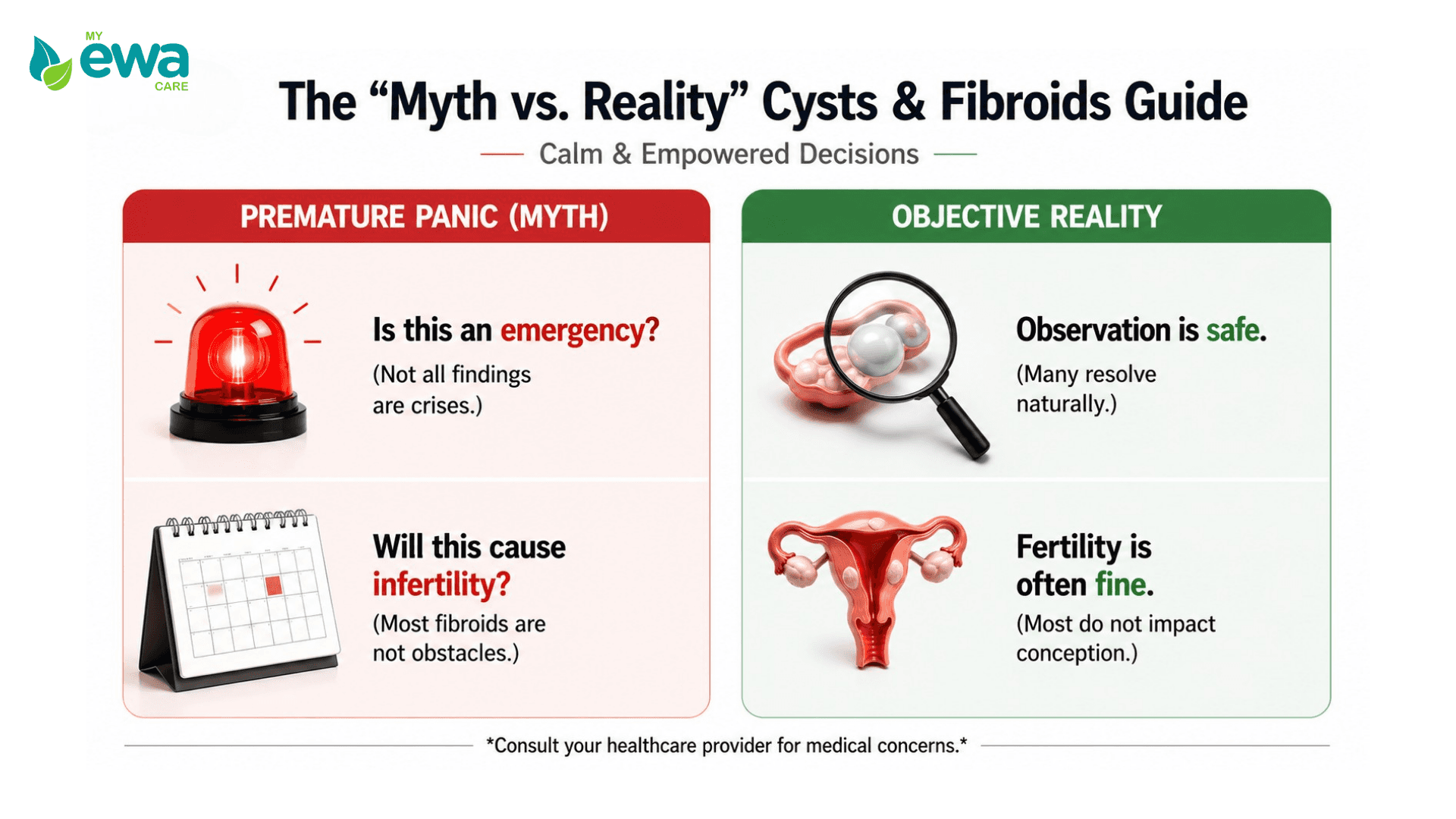
Not all structural findings are barriers to conception. Always seek objective guidance.
When to Seek Independent Guidance Before your Next Medical Step
It is easy to get swept up in a fast-moving medical pipeline. Stepping back to get objective guidance helps you pause, assess and decide wisely instead of reacting out of fear. It is especially helpful:
Before committing to a multi-cycle, highly invasive reproductive procedure.
When your lab reports are unclear, your doctor is pushing for immediate action.
When recommendations from different specialists completely conflict with each other.
When your physical and emotional burnout is high, but the care path isn't offering any new clarity.
Evaluating the True Laparoscopy for Infertility Cost Before Committing to Surgery
Invasive steps should rarely be your first move. Getting neutral, outside guidance helps you protect yourself from unnecessary expenses by focusing on a few key things:
Making absolutely sure you have exhausted all the simple, non-invasive imaging options before even considering a laparoscopy for infertility.
Looking closely at the total financial picture. The initial estimate rarely shows the full laparoscopic surgery cost for infertility. You need to ask about hidden facility fees, anesthesia bills, and what your recovery will actually cost.
Asking hard questions about whether the surgery will definitively change your overall plan, so you do not take on physical and financial stress for no reason.
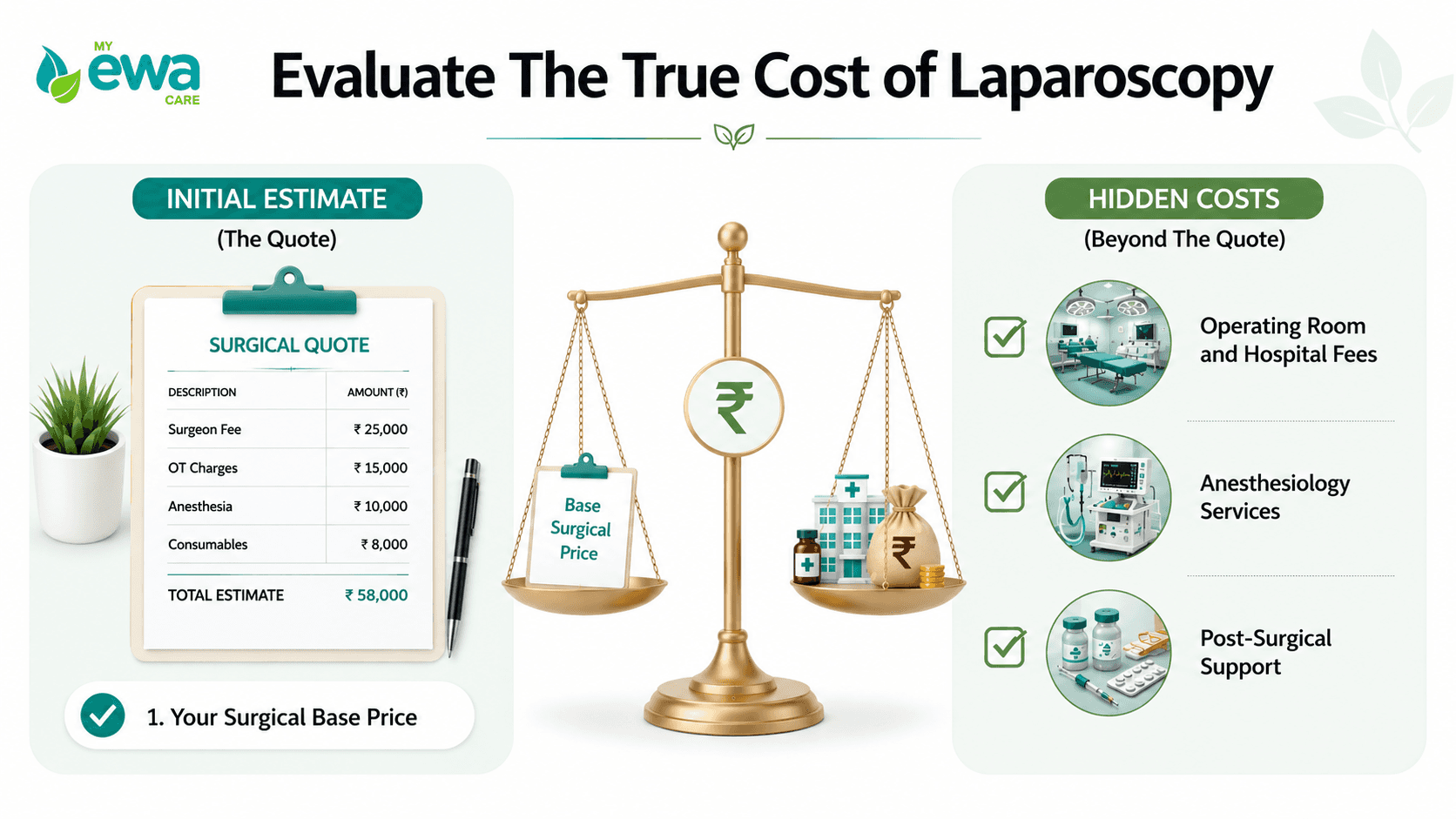
Essential Questions to Ask your doctor before Moving Forward
What specific new answers will this test give us that we do not already have?
Are these structural findings actually stopping conception, or are they just minor things we happened to notice?
What are the gentlest, least invasive options we can try before we talk about surgery?
If we decide to observe and wait for three months, how does that affect my long-term healing plan?
Speak to a Care Manager for guidance before next steps.
Frequently Asked Questions about Conception Delays
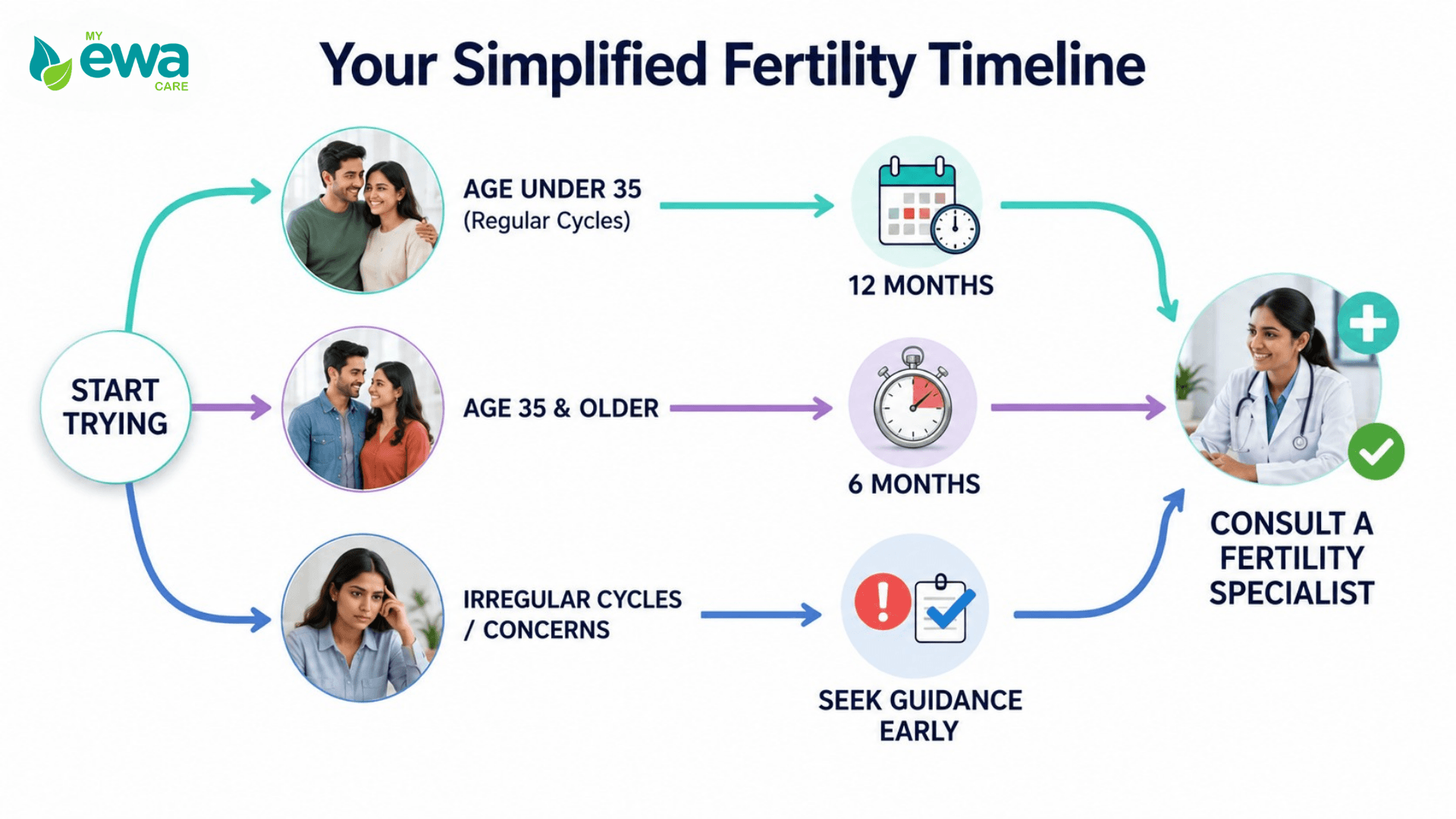
How long should we try to get pregnant before seeing a doctor?
The general guidance is to try naturally for one year if you are under 35, or six months if you are over 35. However, if you already have highly irregular cycles, you can seek early guidance to understand your baseline health sooner rather than waiting.
Do irregular periods mean I am infertile?
Not necessarily. Highly irregular cycles usually just mean you are not ovulating consistently every month, which makes predicting your fertile window difficult. It does not mean conception is impossible; it simply means you may need targeted guidance to help regulate your cycle.
How does age actually impact female fertility?
While egg quantity and quality naturally decline over time—with a more noticeable shift after age 35—reaching this age is not a sudden "cliff." It often just means conception might take a little longer or require more proactive, guided health planning.
Can lifestyle changes or diet improve my chances of getting pregnant?
Yes, managing stress, maintaining a balanced weight, and eating well create a strong foundation for hormonal health. However, lifestyle changes cannot resolve physical barriers. They should be viewed as supportive daily habits rather than a substitute for objective guidance.
What if my tests are normal but we are still facing delays?
Conception involves two people. If your tests are clear, it is easy to feel frustrated and push for invasive procedures on yourself. Before taking that step, it is highly recommended that your partner completes a basic, non-invasive evaluation, as male factors frequently contribute to delays.


Menstrual Disorders: What Every Woman Should Know| MyEwaCare

PCOS New Name 2026: What Is PMOS & What Does It Mean for You

What Causes Fibroids Natural Remedies for Uterus Fibroids, Fibroid Diet

Signs of Polycystic Ovaries & Irregular Periods Causes

Proactive Women's Health Check Up & female wellness tips